0800 464 7025


In facilities management (FM), temperature control can be overlooked until something goes wrong.
A boiler fails in winter. A chiller shuts down during peak summer demand. Planned maintenance overruns. Suddenly, the building becomes uncomfortable, operations are disrupted, and pressure builds fast.
For FM teams, temperature control failures are more than just technical issues. They can impact productivity, compliance, occupant wellbeing, and business continuity.
That’s why every facility should have a temperature control continuity plan in place.
At Rapid Energy, we provide fast, dependable temporary heating and cooling hire solutions for commercial and industrial environments, helping facilities teams maintain operational continuity when systems fail or during planned works.
What Is a Temperature Control Continuity Plan?
A temperature control continuity plan is a pre-prepared strategy for maintaining heating, cooling, or hot water services if HVAC equipment becomes unavailable. It should include:
- Temporary boiler and/or chiller hire
- Planned maintenance support
- Site connections, power, and fuel requirements
- Clear deployment and response procedures
In simple terms, it ensures your building can continue operating if critical temperature control systems fail.
Why Continuity Planning Matters in FM
When heating or cooling systems go down, the effects can escalate quickly.
Without a contingency plan, facilities teams are often left sourcing temporary equipment, arranging access, and making urgent decisions under pressure.
With a plan already in place, response times are faster, downtime is reduced, and disruption is far easier to manage.
A continuity plan helps facilities teams:
- Reduce operational downtime
- Maintain occupant comfort and safety
- Protect critical equipment and environments
- Support compliance requirements
- Keep buildings operational during maintenance or emergencies
Common Causes of HVAC Failure
Temperature control failures are usually caused by:
- Ageing equipment and mechanical wear
- Electrical or controls faults
- Systems struggling during peak demand
- Maintenance overruns or unexpected breakdowns
- Site issues such as flooding or power loss
The question is rarely if a failure will happen, but whether the site is prepared when it does.
Boilers & Chillers: Why Both Matter
Many continuity plans focus on heating or cooling individually, but both systems are equally important.
Temporary Boiler Hire
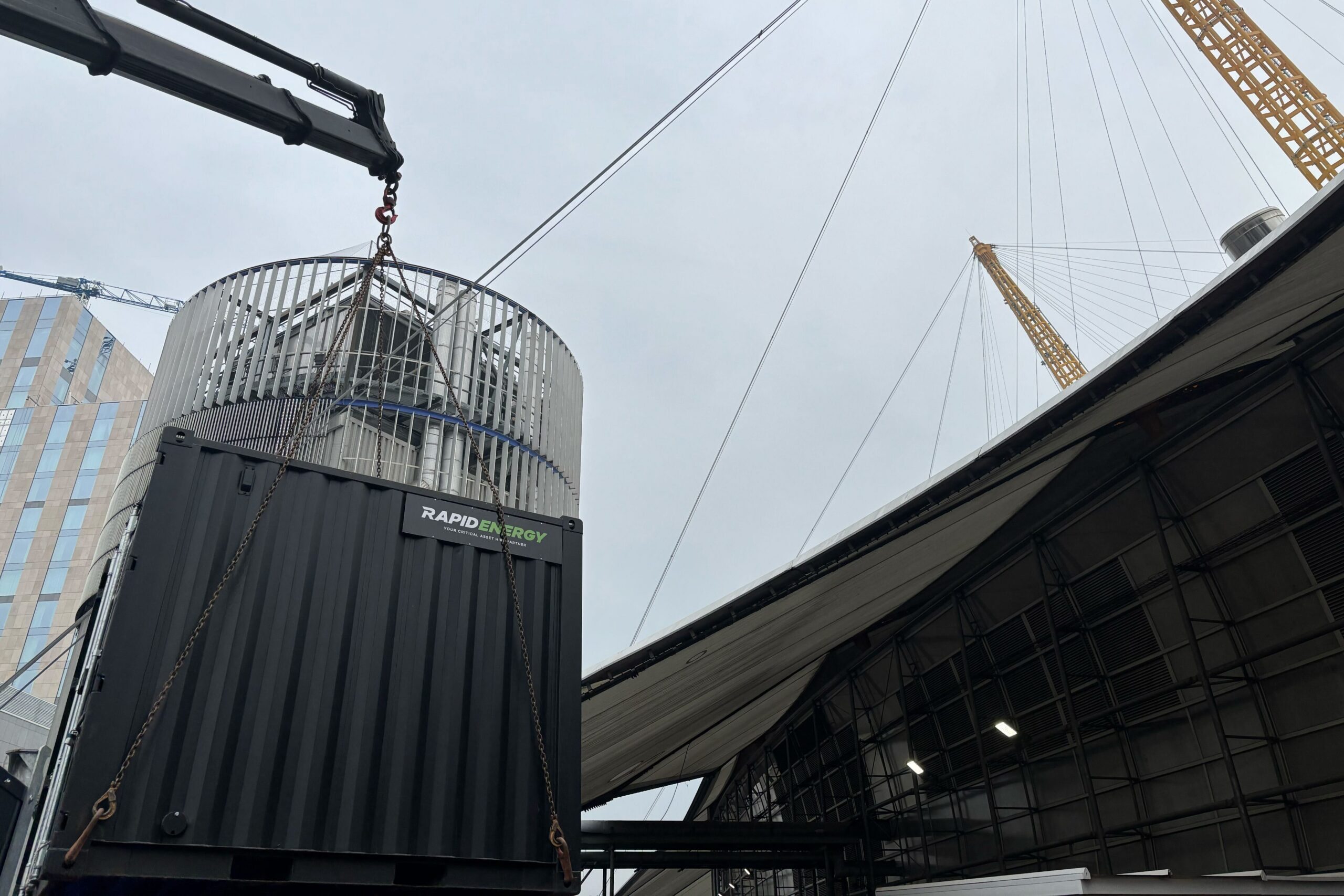
Temporary boiler rental is commonly used during:
- Emergency boiler breakdowns
- Planned plant replacement
- Maintenance shutdowns across buildings
- Heating or hot water outages
- Seasonal demand increases
For facilities teams, rapid temporary heating support can prevent major disruption and keep buildings operational while permanent repairs are carried out.
At Rapid Energy, we provide a wide range of temporary boiler hire solutions, including packaged boilers from 300kW to 2MW, slimline boilers for restricted access areas, and mobile electric boilers for low-noise or emission-sensitive environments.
Temporary Chiller Hire
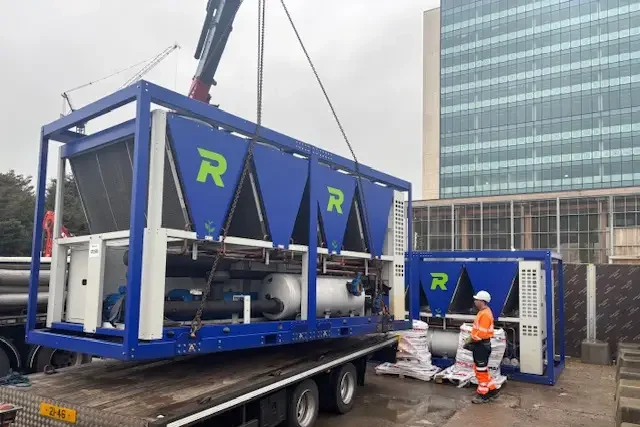
Cooling failures can be just as disruptive, especially in critical environments.
Temporary chiller rental is often required for:
- Comfort cooling failures in offices and commercial buildings
- Data centres and IT environments
- Healthcare facilities
- Planned HVAC maintenance or shutdowns
- Buildings experiencing increased seasonal cooling demand
In many environments, uninterrupted cooling is essential for operational continuity.
Our cooling fleet includes chillers from 4kW to 760kW, heat pump chillers, and DX units for flexible temporary cooling for the FM sector.
What a Rapid Energy Contingency Plan Looks Like
At Rapid Energy, we specialise in fast, dependable heating and cooling hire solutions for critical commercial and industrial environments.
Our contingency planning process is designed to remove uncertainty and help facilities teams respond faster when critical systems fail:
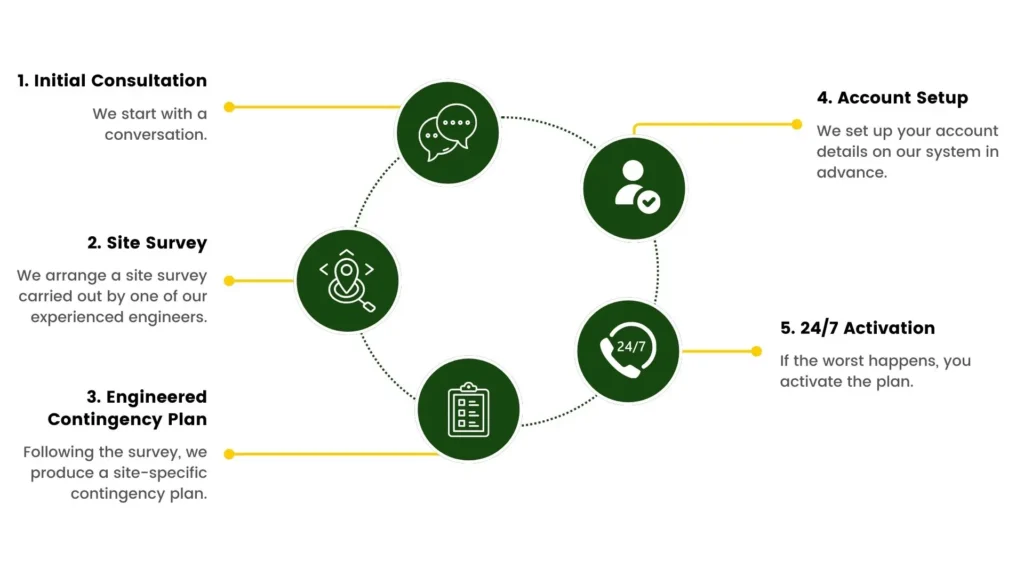
- Initial Consultation – We assess your site, existing systems, operational risks, and continuity requirements
- Site Survey – Our engineers identify connection points, access routes, power, fuel, and space requirements
- Engineered Contingency Plan – We create a site-specific temporary boiler or chiller strategy tailored to your facility
- Account Setup – Key operational details are prepared in advance to avoid delays during emergencies
- 24/7 Activation & Support – Rapid deployment, installation, and technical support when heating or cooling systems go down
From healthcare and government buildings to manufacturing facilities and heat networks, we help facilities teams maintain operational continuity when temperature control systems are under pressure.
FAQs
What is a temperature control continuity plan?
A temperature control continuity plan is a strategy for maintaining heating, cooling, or hot water services if HVAC systems fail or require maintenance.
Why is contingency planning important for facilities management?
It helps reduce downtime, maintain occupant comfort, protect critical environments, and improve response times during heating or cooling failures.
What industries benefit from temporary boiler and chiller hire?
Healthcare, data centres, manufacturing, heat networks, commercial offices, government buildings, and education facilities commonly require temporary heating and cooling support.
What causes HVAC systems to fail?
Common causes include ageing equipment, electrical faults, maintenance overruns, seasonal demand spikes, flooding, and unexpected mechanical breakdowns.
What’s the difference between boiler hire and boiler rental?
Both terms refer to temporary boiler solutions supplied for short or long-term use. In the UK FM sector, “boiler hire” is typically used more often.