0800 464 7025

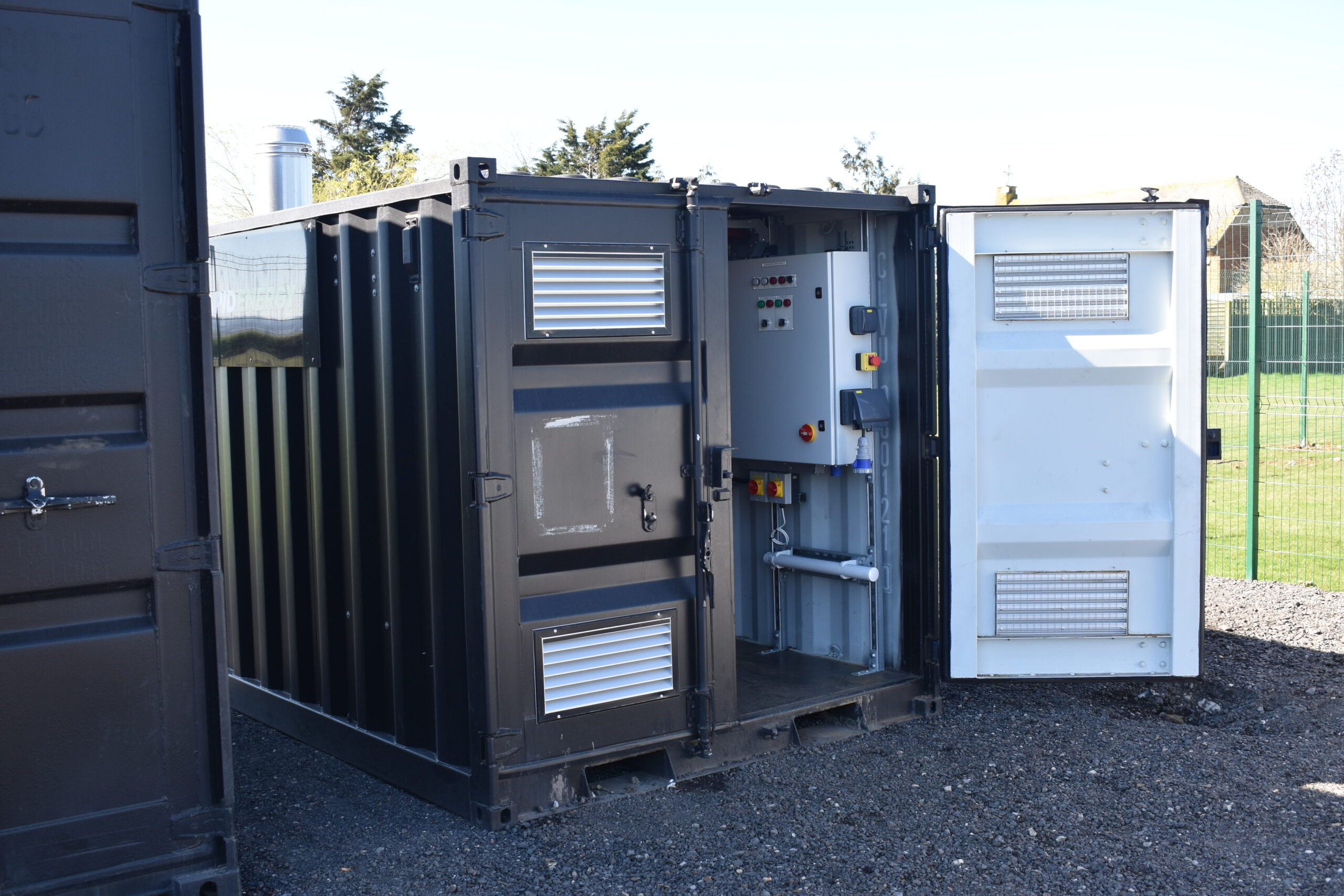
Heat networks are critical infrastructure. When they work, no one notices. When they don’t, the impact is immediate – cold homes, unhappy residents, reputational damage, and intense pressure on operators to fix the problem fast.
Boiler failure on a heat network isn’t just a technical issue. It’s an operational emergency. Without a clear contingency plan in place, response times slip, downtime increases, and risks multiply.
That’s why every heat network operator should have a temporary boiler contingency plan ready to activate at a moment’s notice.
The Reality of Boiler Failure on Heat Networks
Boiler failure can happen at the worst possible time:
- During peak winter demand
- Overnight or at weekends
- In ageing or heavily loaded plant rooms
- During planned maintenance that doesn’t go to plan
When a central heat source goes down, the knock-on effects are serious:
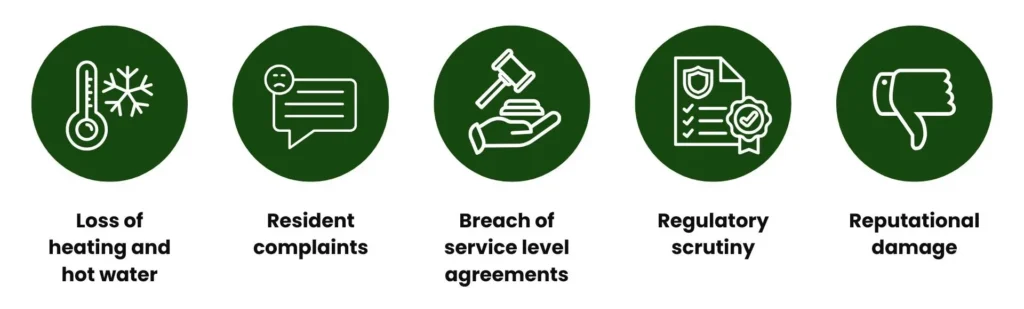
- Loss of heating and hot water
- Resident complaints and escalation
- Breach of service level agreements
- Regulatory scrutiny
- Reputational damage
In these moments, speed and preparedness matter more than anything else.
What a Temporary Boiler Contingency Plan Should Cover
A temporary boiler contingency plan is not just a phone number to call when something goes wrong.
It’s a pre-engineered, pre-approved recovery plan that sets out exactly how your heat network will be supported if your main boiler plant fails, is taken offline for maintenance, or can’t meet demand.
In simple terms, it answers three critical questions before an issue happens:
- What temporary boiler solution will we use?
- How quickly can it be deployed?
- How do we connect it safely and keep heat flowing to end users?
Without a contingency plan, every failure becomes a scramble, including sourcing equipment, arranging access, checking power or fuel, and making decisions under pressure. With a plan in place, response is faster, safer, and far more controlled.
At Rapid Energy, our contingency planning is designed to remove uncertainty and protect continuity of supply, even in high-risk or high-demand heat networks.
Rapid Energy’s Temporary Boiler Contingency Plan
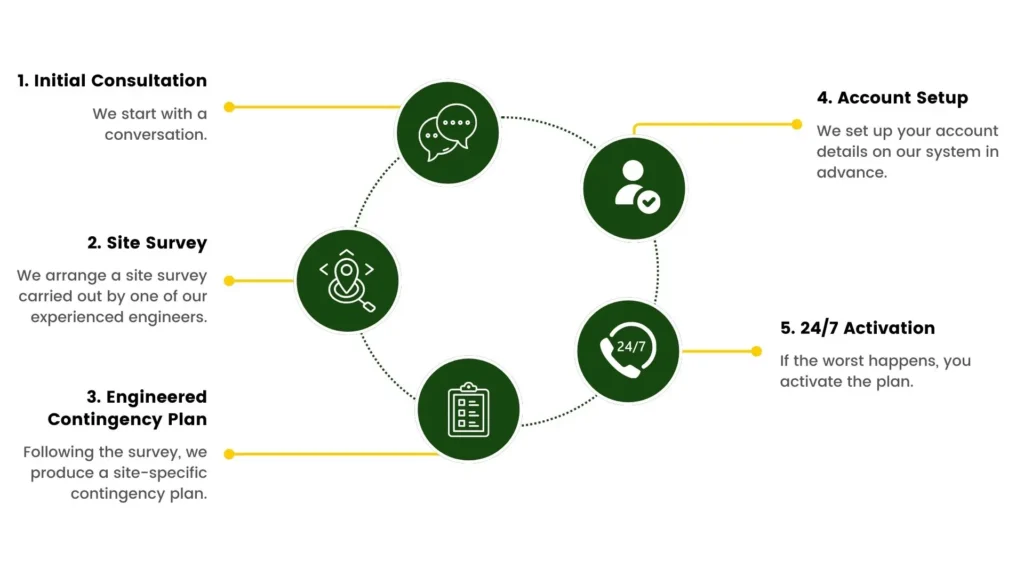
1. Initial Consultation
We start with a conversation.
You tell us:
- Network size and layout
- Type of plant and fuel
- Critical risks and pressure points
- Seasonal demand concerns
This allows us to understand what failure would look like and how to respond.
2. Site Survey
We arrange a site survey carried out by one of our experienced engineers.
This is a critical step. It allows us to:
- Assess access routes for temporary boilers
- Identify suitable connection points
- Confirm available space for equipment
- Understand electrical and fuel requirements
- Flag any constraints before an emergency
A surveyed site saves valuable time when every minute counts.
3. Engineered Contingency Plan
Following the survey, we produce a site-specific contingency plan.
This includes:
- Recommended temporary boiler capacity
- Connection strategy
- Fuel and power requirements
- Deployment layout
- Safety and compliance considerations
Everything is planned in advance, so there’s no guesswork during an emergency.
4. Account Setup
We set up your account details on our system in advance.
This means:
- No paperwork delays
- No credit checks at the point of failure
- Faster mobilisation when you need it
When a boiler fails, admin should never slow the response.
5. 24/7 Activation
If the worst happens, you activate the plan.
Rapid Energy is on call 24/7, 365 days a year.
Once activated, we:
- Mobilise the agreed temporary boiler solution
- Deliver and install at speed
- Commission safely and efficiently
- Support the site until permanent systems are restored
Our role is to keep heat flowing while you regain control.
The Benefits of Planning Ahead
A temporary boiler contingency plan gives heat network operators:
- Faster response times – pre-approved plans mean temporary boilers can be deployed without delay.
- Reduced downtime risk – heat supply can be stabilised before customers are affected.
- Clear roles and actions – everyone knows exactly what to do when an issue occurs.
- Less pressure during emergencies – no rushed decisions when time is critical.
- Improved compliance and safety – planned solutions meet regulatory and site requirements.
- Predictable costs – fewer surprises compared to last-minute emergency call-outs.
- Greater operational confidence – reassurance that heat supply can be maintained when it matters most.
Why Heat Network Operators Choose Rapid Energy
At Rapid Energy, we specialise in fast, dependable, expertly engineered heating and cooling rental for critical environments.
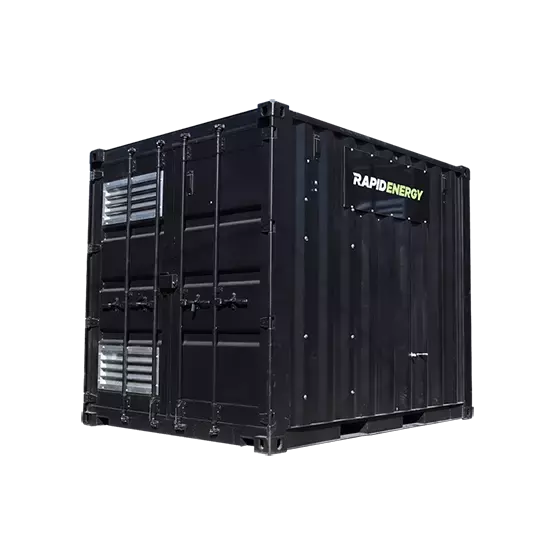
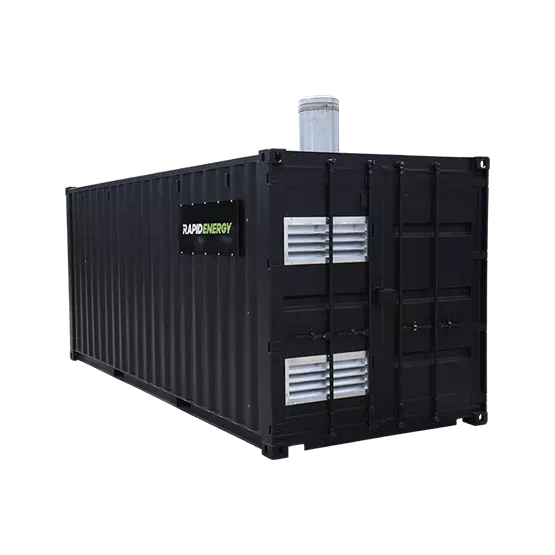
We’re trusted because we:
- Respond 24/7 with fast, nationwide emergency support
- Design site-specific systems that meet exact building and pressure requirements
- Deliver safe, fully compliant installations with RAMS, testing, and certification included
- Provide scalable temporary boiler hire from LTHW to MTHW
- Support every project with expert engineers for setup, commissioning, and handover
Get in touch with us today on 0800 464 7025 or via email at hire@rapidenergy.co.uk to discuss a tailored contingency plan for your heat network – before you need it.
FAQs
What is a temporary boiler contingency plan?
A temporary boiler contingency plan is a pre-agreed, engineered recovery plan that sets out how a heat network will maintain heating and hot water if the main boiler plant fails or is taken offline. It defines the equipment, connections, access, and response process in advance, so action can be taken immediately.
How quickly can a temporary boiler be deployed?
With a contingency plan in place, deployment can often begin within hours. Because site surveys, access routes, and system design are agreed in advance, there’s no delay caused by decision-making or approvals during an emergency.
Do temporary boilers meet regulatory and safety requirements?
Yes, when properly planned and installed. Rapid Energy supplies fully compliant temporary boiler systems, including RAMS, pressure testing, commissioning, and certification, to ensure safety and regulatory compliance at all times.
What size temporary boiler does a heat network need?
This depends on network size, demand profile, pressure requirements, and redundancy needs. Temporary boiler solutions can range from small modular units to multi-megawatt systems. A site survey allows the correct capacity to be specified in advance.
Can temporary boilers connect to existing heat network infrastructure?
Yes. Temporary boilers are designed to integrate with existing pipework and plant rooms using pre-identified connection points. This is why advance site surveys and engineered plans are critical.
Is contingency planning only for older heat networks?
No. Even modern, well-maintained heat networks can experience unexpected failures. Contingency planning is about risk management and operational resilience, not just age or condition.
Who is responsible for activating the contingency plan?
Once set up, the plan can be activated by the heat network operator or facilities team. Rapid Energy operates 24/7, so support is available whenever activation is needed.