0800 464 7025

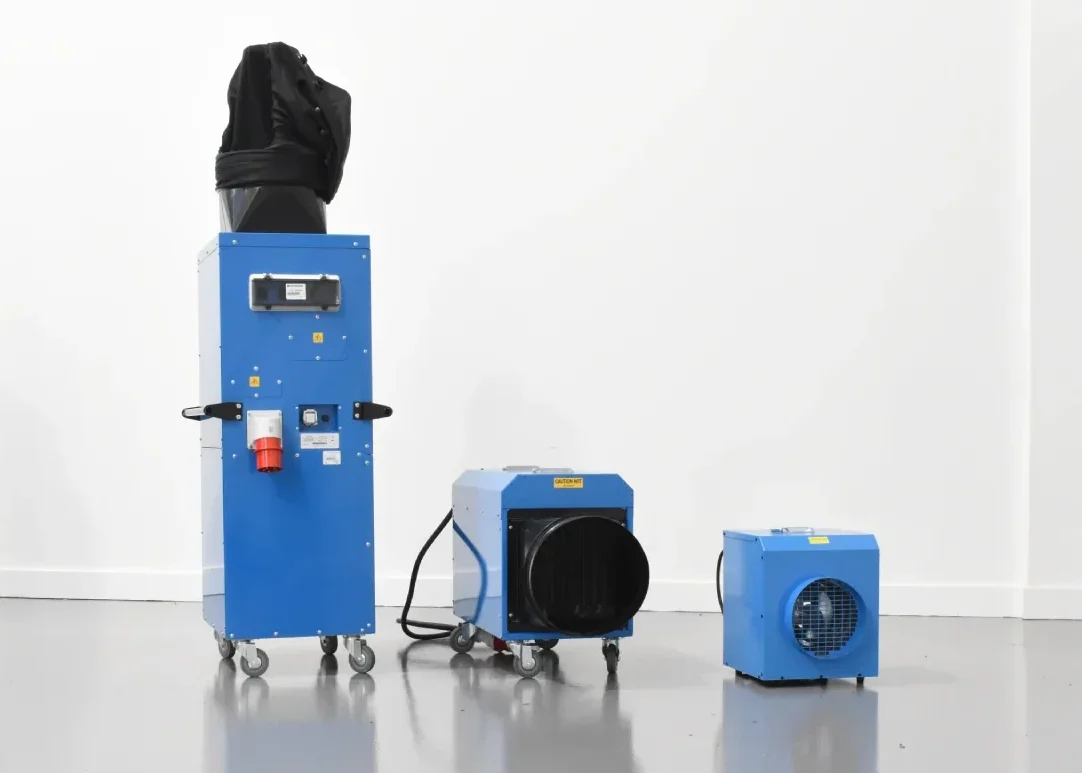
When temporary heating is critical, whether for a planned shutdown, an emergency, or extra winter capacity, choosing the right heater can make all the difference. The two most common options for commercial and industrial heating hire are indirect-fired (IDF) heaters and electric heaters.
Both have their place. Both solve different problems. And choosing the wrong one can mean wasted energy, higher costs, or even safety risks.
In this guide, we’ll break down:
- How indirect-fired and electric heaters work
- The pros and cons of each
- Best use cases for each heater type
- Which option is right for your site
At Rapid Energy, we provide fast, dependable heater hire and rental solutions designed to keep operations moving when failure isn’t an option.
What Is an Indirect-Fired Heater?
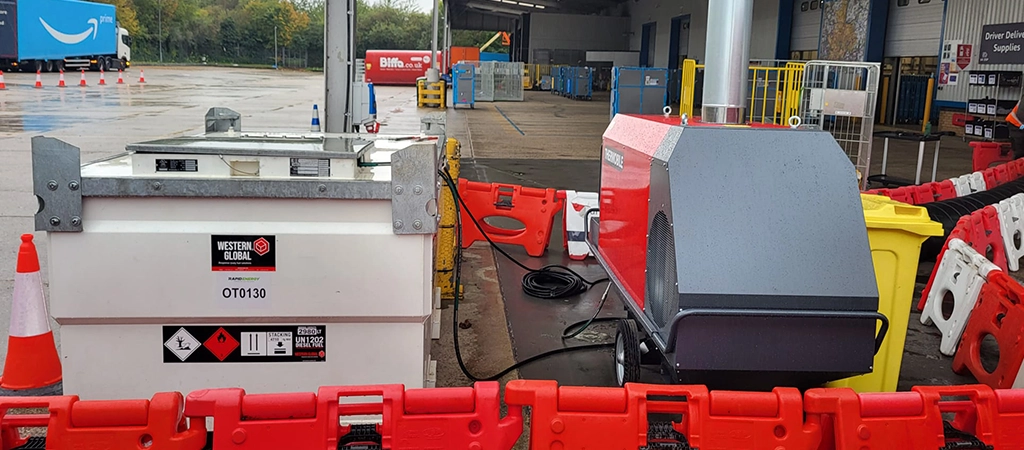
Indirect-fired (IDF) heaters are designed to deliver powerful heat without compromising air quality. They generate heat using a fuel source, most commonly diesel, but unlike direct-fired heaters, the combustion process is completely sealed off from the airflow that heats the space.
Inside the heater, fuel is burned within a closed heat exchanger. The heat produced warms the metal surfaces of the exchanger, and a separate fan then pushes clean air over those surfaces. This warmed air is ducted into the building or workspace, while all exhaust gases and fumes are safely vented outside.
Because the heated air never comes into contact with combustion by-products, the result is clean, dry, fume-free heat.
Pros of Indirect-Fired Heaters
- Clean, fume-free heat – safe for people, products, and processes
- High heat output – ideal for large spaces
- Works well with ducting – flexible site layouts
- Suitable for sensitive environments – healthcare, food production
- Excellent for long-term heater hire
Cons of Indirect-Fired Heaters
- Requires fuel supply
- Needs space for exhaust venting
- Slightly more setup than electric options
Best Use Cases for IDF Heaters
Indirect-fired heater hire is ideal for:
- Warehouses and factories
- Healthcare facilities
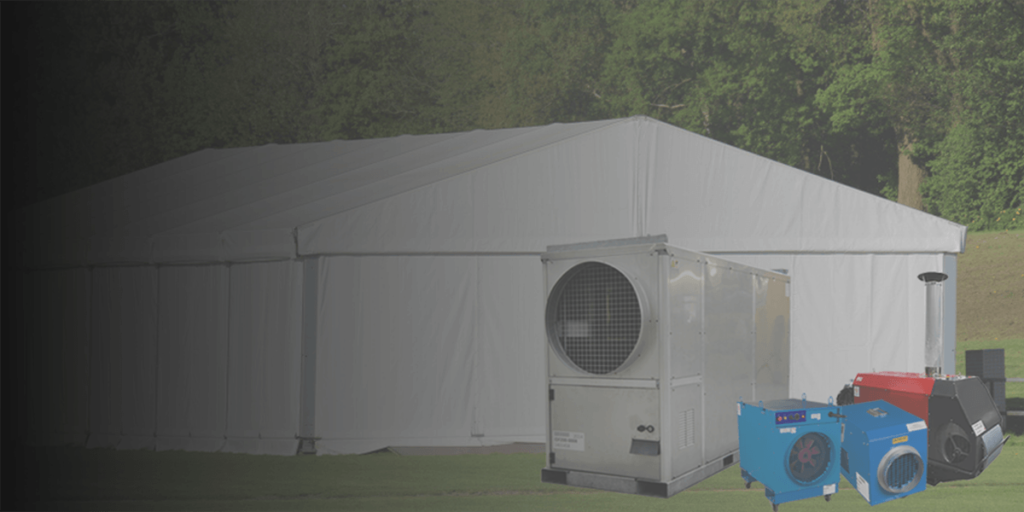
- Temporary structures and marquees
- Construction sites with enclosed areas
- Manufacturing environments
- Emergency heating during HVAC failures
If people are working in the space or air quality matters, IDF heaters are often the safest choice.
Indirect-Fired Heater Hire Options at Rapid Energy
- 45kW IDF Heater
- 70kW IDF Heater
- 110kW IDF Heater
- 150kW IDF Heater
- 200kW IDF Heater
- Jumbo 200kW IDF Heater

What Is an Electric Heater?

Electric heaters convert electrical energy directly into heat, making them one of the simplest and most reliable temporary heating solutions available. When powered on, electricity passes through internal heating elements, which warm up and transfer heat to the surrounding air.
Most electric heaters use integrated fans to push this warm air into the space, providing quick, even heat distribution. Because there is no combustion involved, electric heaters produce zero emissions, require no fuel, and don’t need exhaust venting.
Pros of Electric Heaters
- Zero emissions – safe for enclosed spaces
- Plug-and-play setup – minimal installation
- Quiet operation
- Highly controllable
- Ideal for short-term heating hire
Cons of Electric Heaters
- Limited by available electrical supply
- Less suitable for very large spaces
- Higher running costs at larger capacities
Best Use Cases for Electric Heaters
Electric heater hire works best for:
- Offices and site cabins
- Small workshops
- Server rooms and plant rooms
- Temporary indoor spaces
- Supplementary heating
- Quick-response emergency hire
They’re also ideal when fuel storage isn’t possible or emissions must be avoided entirely.
Electric Heater Hire Options at Rapid Energy
El Bjorn Electric Heaters
- El Bjorn 3kW Heater
- El Bjorn 9kW Heater
- El Bjorn 18kW Heater
- El Bjorn 36kW Heater
- El Bjorn 72kW Heater
Electric Fan Heaters
- 3kW Fan Heater
- 3kW Industrial Electric Heater
- 9kW Fan Heater
- 18kW Fan Heater
- 18kW Electric Heater (Single Air Flow)
- 18kW 360° Air Flow Fan Heater
- 42kW Fan Heater

Indirect-Fired vs Electric Heaters: Quick Comparison

Which Heater Should You Hire?
The right heater depends on:
- Size of the space
- Available power
- Whether the area is occupied
- Duration of hire
- Air quality requirements
For large-scale, critical heating where people are present, indirect-fired heater hire is usually the best solution. Whereas, for fast, flexible, lower-output heating, electric heater hire is often more practical.
And in many cases, a combined approach delivers the best result.
Why Choose Rapid Energy for Heater Hire?
- Rapid response for emergencies
- Scalable heating rental and hire solutions
- Industry-accredited equipment
- Proven experience across healthcare, government, construction, and manufacturing
- Expert 24/7 support from design to decommissioning
When temperature control is mission-critical, our clients trust us to deliver.
FAQs
What’s the safest heater to hire for occupied spaces?
Indirect-fired heaters are typically the safest option, as they provide clean, fume-free heat with exhaust vented externally.
Are electric heaters cost effective to hire?
Electric heaters are often cheaper to hire short-term, but running costs depend on electricity availability and tariffs.
Can electric heaters heat large warehouses?
Electric heaters can help, but indirect-fired heaters are usually more efficient and cost-effective for large spaces.
Do you offer emergency heater hire?
Yes. Rapid Energy specialises in fast-response heating hire for emergency HVAC failures and unexpected downtime.
Can you help me choose the right heater?
Absolutely. Our team assesses your site, power availability, and heating requirements to recommend the best hire solution.