0800 464 7025

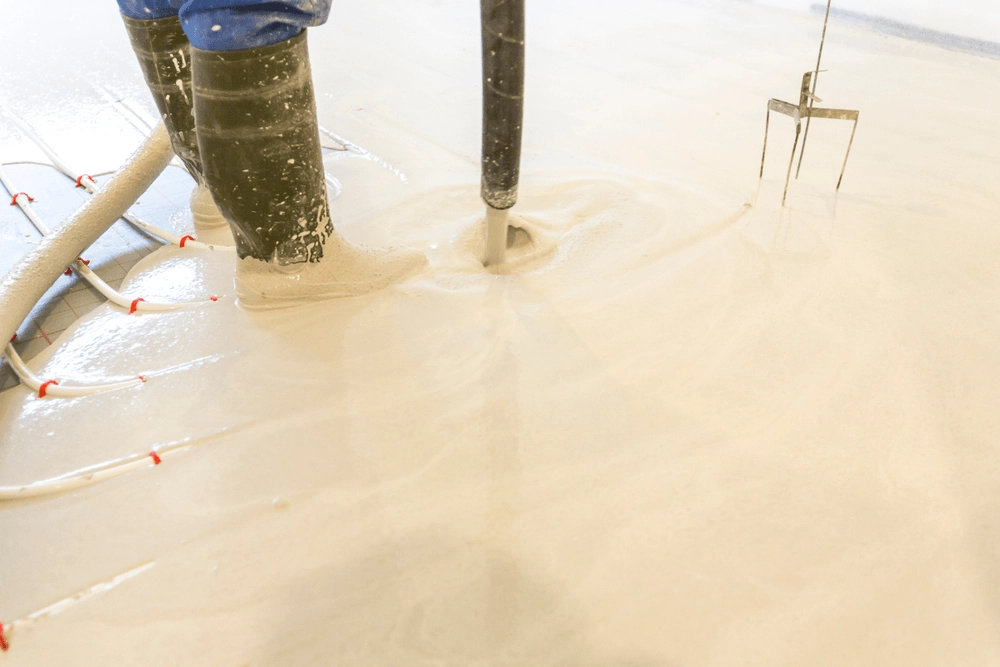
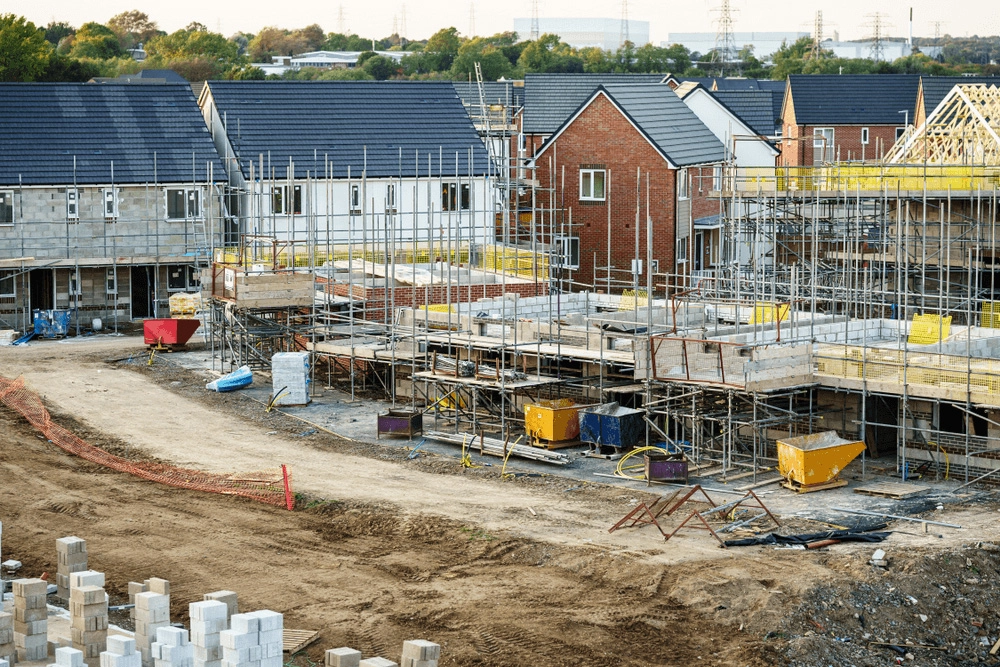
Modern construction programmes are under constant pressure to deliver faster, without compromising quality. One of the most common bottlenecks during fit-out is screed drying, particularly on projects that rely on underfloor heating.
If screed is not dried correctly, it can delay floor finishes, damage materials, and create long-term performance issues. This guide explains how screed drying works, the different screed types, and how temporary electric boilers are used to safely accelerate the process.
What Is Screed and Why Drying Time Matters
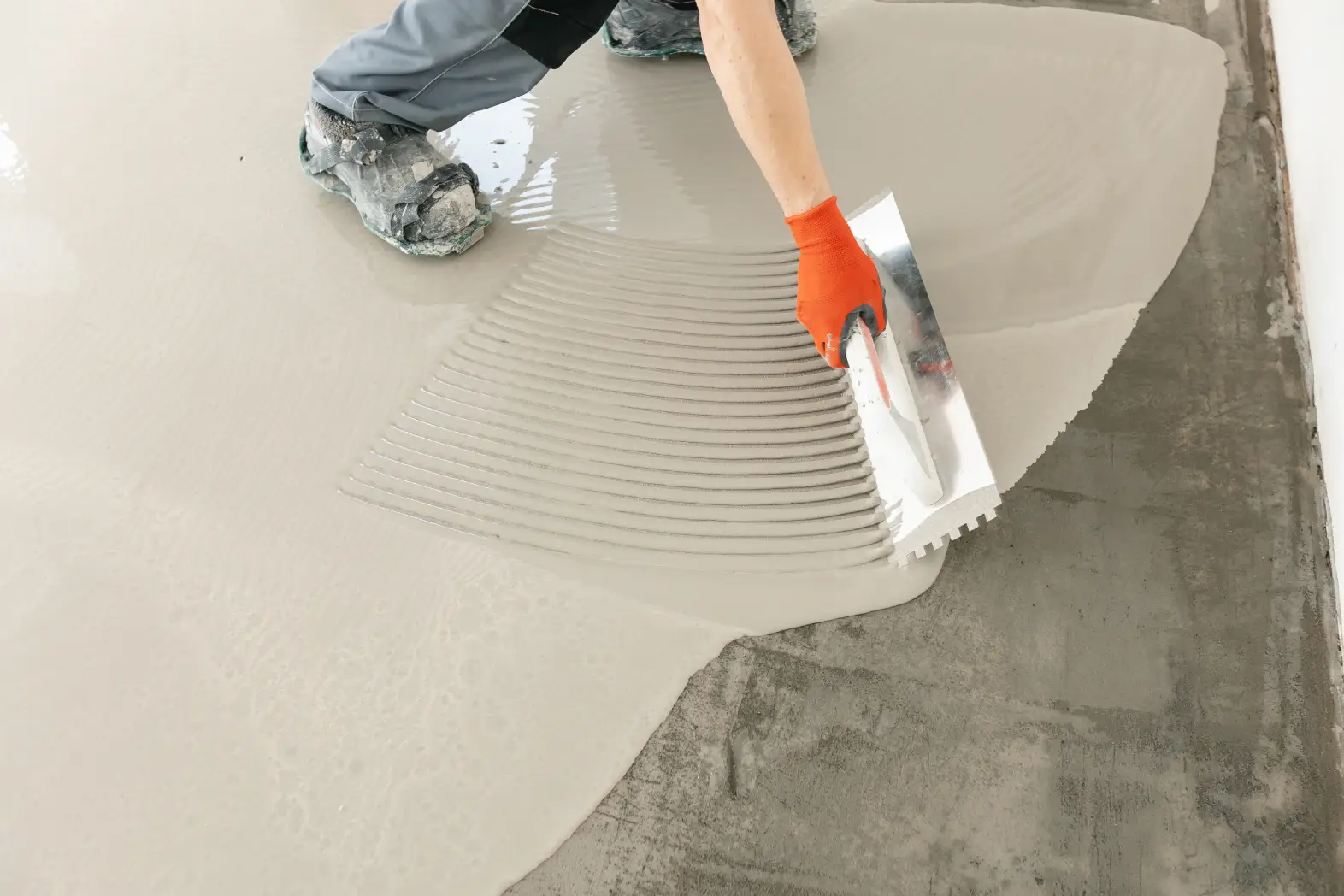
Screed is a thin, level layer applied over a concrete subfloor to create a smooth, even surface for final floor finishes such as tiles, vinyl, carpet, or timber.

In many modern buildings, screed also:
- Encases underfloor heating pipework
- Improves heat distribution
- Protects heating circuits
However, screed contains a high level of moisture. Until that moisture has safely evaporated, floor coverings must not be installed. Rushing this stage without control can lead to cracking, curling, adhesive failure, or floor finish breakdown.
Typical Screed Drying Times (Without Assistance)
As a general rule:
- Traditional sand and cement screed dries at approximately 1mm per day up to 40mm, then more slowly beyond that
- Thicker screeds can take many weeks or months to dry naturally
- Ambient temperature, humidity, and ventilation all affect drying time
On fast-track projects, these timelines are often unworkable, which is where controlled drying using underfloor heating becomes essential.
Types of Screed Used in Construction
Understanding the screed type is critical before starting any drying programme.
Traditional Sand and Cement Screed
- Economical and widely used
- Longer drying times
- Typically deeper than flowing screeds
- Requires careful, gradual heating
Free-Flowing (Liquid) Screeds
- Faster to install
- Shallower depths
- Improved heat transfer with underfloor heating
- Often require different commissioning schedules
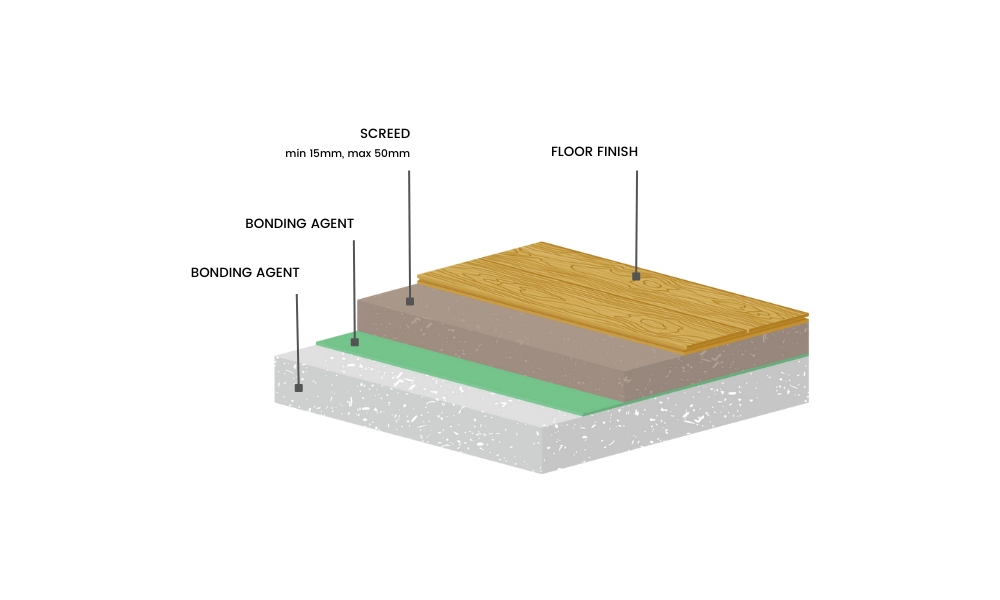
Bonded, Unbonded and Floating Screeds
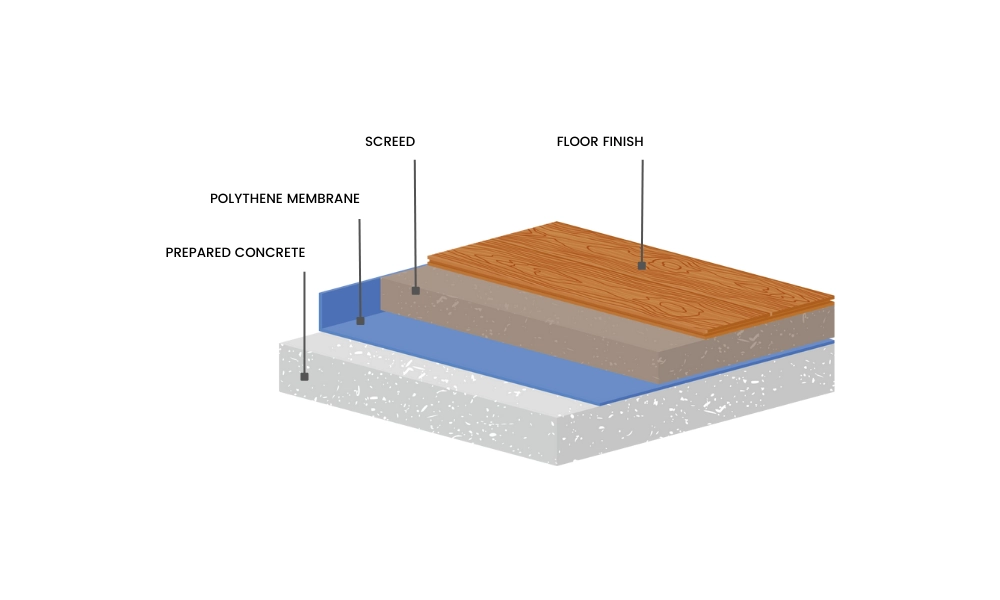
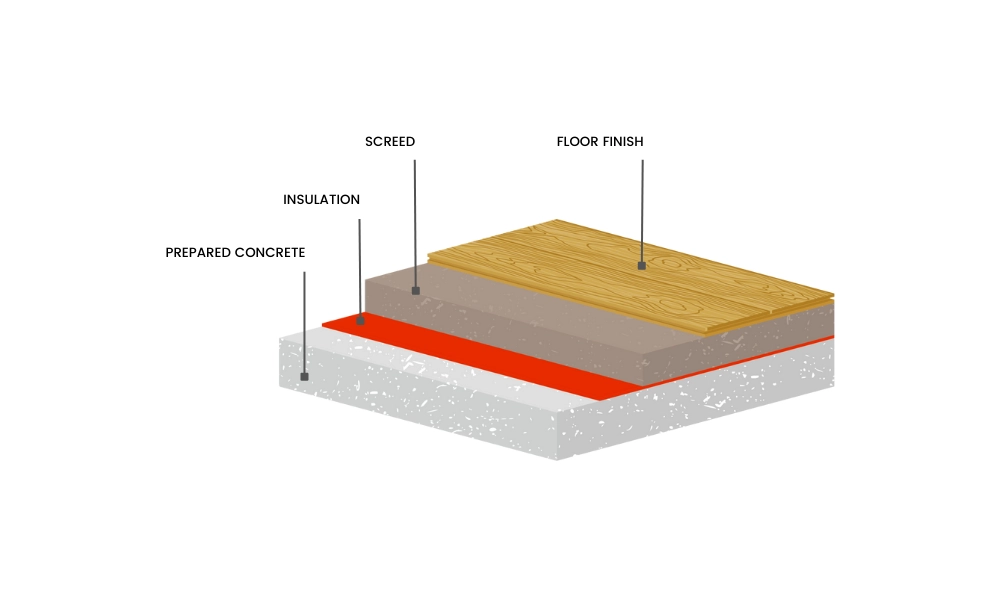
- Bonded screeds are fixed directly to the substrate
- Unbonded screeds sit on a separating membrane
- Floating screeds are laid over insulation and heating pipes
Each configuration behaves differently during drying and must be treated accordingly.
Why Underfloor Heating Is Used to Dry Screed
Underfloor heating provides:

- Even heat distribution
- Controlled temperature increase
- Reduced surface stress compared to forced drying
When used correctly, it allows moisture to leave the screed gradually and evenly, reducing the risk of defects.
However, underfloor heating must be commissioned properly. Applying heat too quickly is one of the most common causes of screed failure.
The Role of Temporary Electric Boilers in Screed Drying
On many construction sites, the permanent boiler plant is either:
- Not yet installed
- Not commissioned
- Not suitable for commissioning during early phases
This is where temporary electric boilers are used.
Rapid Energy’s mobile electric boilers provide:
- Direct connection to underfloor heating manifolds
- Precise, adjustable flow temperature control for optimal screed drying
- 4 programmable screed drying programs (up to 60 days)
- Performance data download via USB for reporting
- Operates independently of gas infrastructure
- Intuitive 4.3″ touchscreen for simple operation
- Designed for safe, reliable unattended operation on site
At Rapid Energy, electric boilers are commonly deployed specifically for screed drying during construction, before being removed once permanent systems are ready.
Best Practice: How Screed Drying Should Be Carried Out
While exact procedures vary by screed manufacturer, a typical approach includes:

- Initial curing period
The screed must cure naturally for a set number of days before any heat is applied. - Gradual temperature increase
Flow temperature is increased in controlled increments, usually over several days. - Sustained drying phase
The system is held at a defined temperature to allow moisture to evaporate evenly. - Controlled cool-down
Heating is reduced gradually before floor finishes are installed.
Using programmable electric boilers allows this process to be:
- Automated
- Logged
- Repeated accurately across multiple zones
Common Risks When Drying Screed Too Quickly
Artificial drying must be managed carefully. Common issues include:

- Cracking caused by rapid moisture loss
- Curling at edges and corners
- Shrinkage leading to surface weakness
- Failure of adhesives or floor finishes
These risks are significantly reduced when drying is carried out by professionals using controlled heating equipment, rather than uncontrolled heat sources.
Choosing the Right Electric Boiler for Screed Drying
Selecting the correct electric boiler depends on floor area, screed type, available power, and the number of heating zones. Trolley-mounted electric boilers with adjustable output are ideal for controlled screed drying via underfloor heating. Suitable electric boilers that Rapid Energy offers range from 3kw to 36kW.

To support stable site conditions during the drying process, electric heaters can be used to maintain ambient temperature, but should not be used to directly dry the screed surface.
Why Controlled Screed Drying Saves Time and Cost
When done correctly, accelerated screed drying:
- Reduces programme delays
- Allows earlier installation of finishes
- Minimises rework and defects
- Improves overall build quality
Most importantly, it provides certainty – something every construction programme depends on.
How Rapid Energy Support Screed Drying
Temporary electric boiler hire is now a standard solution for controlled screed drying on commercial and residential projects.
Rapid Energy combine:
- Correct commissioning procedures
- Reliable temporary heating equipment
Drying screed is not just about applying heat, it’s about applying it correctly.
For projects requiring temporary electric boilers for screed drying, contact us on 0800 464 7025 or email us at hire@rapidenergy.co.uk.
FAQs
How long does screed take to dry?
Drying time depends on the type, depth, and site conditions. As a general guide, traditional sand and cement screed dries at around 1mm per day up to 40mm, with thicker screeds taking longer. Temperature, humidity, ventilation, and whether underfloor heating is used all affect drying time.
Can you speed up screed drying?
Yes, screed drying can be accelerated using controlled underfloor heating, typically powered by a temporary electric boiler. The key is to increase temperatures gradually and evenly. Drying screed too quickly or using uncontrolled heat sources can cause cracking, curling, or shrinkage.
When can underfloor heating be turned on after screeding?
This varies by screed type and manufacturer. Most screeds require an initial curing period before underfloor heating is commissioned. Heating should always be introduced gradually and in line with the screed manufacturer’s guidance.
What temperature should underfloor heating be set to for drying screed?
There is no single temperature suitable for all screeds. Flow temperatures are typically increased in stages over several days. Applying high temperatures too early is one of the most common causes of screed failure.
Is it safe to dry screed with underfloor heating?
Yes, when done correctly. Underfloor heating provides even heat distribution and is widely used to dry screed safely. Problems usually occur when heating is applied too quickly or without proper control.
Do liquid screeds dry faster than traditional screeds?
Free-flowing or liquid screeds are often quicker to install and can offer improved heat transfer, but drying times still depend on depth, moisture content, and site conditions. They also require specific commissioning procedures.
Can you dry screed without a permanent boiler installed?
Yes. Temporary electric boilers are commonly used on construction sites to power underfloor heating systems before the permanent boiler plant is installed or commissioned.
What happens if screed is not fully dry before floor finishes are installed?
Installing finishes over damp screed can lead to adhesive failure, floor damage, mould growth, and long-term performance issues. Moisture testing should always be carried out before installing final floor coverings.
How do you know when screed is dry enough?
Screed dryness is typically confirmed using moisture testing methods such as hygrometer tests or manufacturer-approved measurement techniques. Visual inspection alone is not sufficient.
Can screed dry in cold weather?
Cold temperatures and high humidity slow down natural screed drying. Controlled heating using underfloor heating can help maintain progress during colder months, provided it is managed correctly.
What equipment is used to dry screed on construction sites?
Drying screed using underfloor heating typically requires a controlled heat source, such as a temporary electric boiler, along with pumps, controls, and monitoring equipment suitable for construction environments.