0800 464 7025


As temperatures drop, boiler systems across the UK face their hardest working months of the year. For commercial and industrial facilities, the heating plant isn’t just about comfort; it’s about compliance, safety, and operational continuity.
Unfortunately, winter is when even minor inefficiencies reveal themselves. What was a small pressure fluctuation in October can turn into a total shutdown by December. Below, we explore the most common boiler problems that occur during the colder months and why early preparation (or fast contingency) is key to keeping your business running.
1. Overload and Unexpected Breakdowns
During winter, boilers are expected to run at near-constant output. That strain can quickly expose weaknesses, particularly in systems that haven’t been serviced or tested under full load.
Typical technical issues include:
- Pump failures due to sludge or seized bearings
- Ignition or flame-sensor faults from condensation or carbon build-up
- Loss of pressure caused by leaks, worn seals, or faulty expansion vessels
- Cracked heat exchangers from thermal stress or corrosion

Why it’s serious:
A breakdown in peak winter not only halts heating and hot water, but can also freeze pipework, damage stock, or force building closures.
2. Frozen Condensate and Pipework
Freezing weather is a common cause of boiler shutdowns. Condensate pipes on modern condensing boilers are especially vulnerable – if they freeze, the system will automatically lock out to prevent damage.
Other freeze-related issues include:
- Frozen feed or return lines in exposed areas
- Blocked or cracked valves
- Burst pipework in external or rooftop plant rooms

Impact:
Loss of heating when it’s most needed, water damage from split pipes, and potentially expensive downtime.
Prevention tips:
- Insulate external pipework and condensate lines
- Check frost protection thermostats are working
- Keep plant rooms heated above minimum operating temperatures
3. Water Quality and System Efficiency
Boiler efficiency and reliability are closely tied to water quality. Poor water treatment leads to corrosion, scale, and sludge accumulation, all of which restrict heat transfer and flow.
Technical effects:
- Reduced heat output and uneven temperatures
- Pump strain and circulation issues
- Boiler cycling and increased gas usage
- Premature component wear

Business impact:
Rising energy costs, poor comfort levels, and avoidable maintenance bills.
Best practice:
Implement water testing, flushing, and inhibitor dosing. Using temporary boilers can keep operations running while full chemical cleaning or maintenance work is performed.
4. Control and Sensor Failures
Cold weather often exposes problems in control systems that haven’t been used heavily since the previous winter.
Common issues include:
- Faulty frost thermostats or outdoor sensors
- Broken actuators and motorised valves
- Miscommunication with Building Management Systems (BMS)
- Faulty flow or temperature sensors

Consequences:
Incorrect temperature readings, unresponsive heating circuits, or boilers that fail to fire up automatically. Even a single faulty control can disable an entire network.
Recommendation:
Test all sensors and controls during autumn commissioning, and maintain spare components to avoid long lead times.
5. Planned Maintenance and Downtime Risks
Many businesses schedule maintenance or plant upgrades during winter, particularly for compliance, safety checks, or insurance inspections. While essential, these activities can leave a site without heating for extended periods.
Risks include:
- Production disruption or office shutdowns
- Health and safety implications
- Reputational damage from service interruptions
Solution:
Implement contingency planning, such as temporary boilers, to maintain stable internal temperatures throughout maintenance or replacement projects.
6. Fuel and Utility Supply Interruptions
Sometimes the problem isn’t the boiler itself, it’s the supply. Gas isolation, power outages, or site damage can all take a system offline unexpectedly.
In these cases:
- Gas-fed boilers can’t operate until supply is reinstated
- Sites in critical industries (e.g. healthcare, manufacturing) risk severe disruption
- Reinstating utilities can take days or even weeks
A temporary heating source or alternative-fuel boiler ensures resilience when main supplies are compromised.
7. Compliance and Safety Challenges
Winter is also the season of compliance pressure – annual gas safety checks, pressure system inspections, and insurance renewals often fall in Q4 or Q1.
Key risks:
- Missed certification deadlines due to breakdowns
- Faulty flues or ventilation blocked by snow or debris
- Carbon monoxide risks from incomplete combustion in stressed systems
Keeping heating systems compliant and safe under pressure requires both proactive maintenance and a backup boiler in case of unexpected failures.
How Rapid Energy Keeps Your Operations Running
When a boiler fails in winter, downtime isn’t just inconvenient; it’s operationally critical. At Rapid Energy, we specialise in providing fast, dependable, and expertly engineered temperature control hire solutions designed to keep businesses running, no matter the circumstances.
Whether it’s a planned shutdown, an unexpected HVAC failure, or the need for additional capacity during peak demand, we deliver tailored, site-specific systems that restore heating and hot water fast.
What We Offer
Our temporary boilers:
- Packaged boilers – fully self-contained units ideal for quick connection to existing systems
- Slimline boilers – compact, space-efficient solutions for restricted or urban sites
- Electric boilers – zero-emission options for clean, quiet operation indoors or on sensitive sites
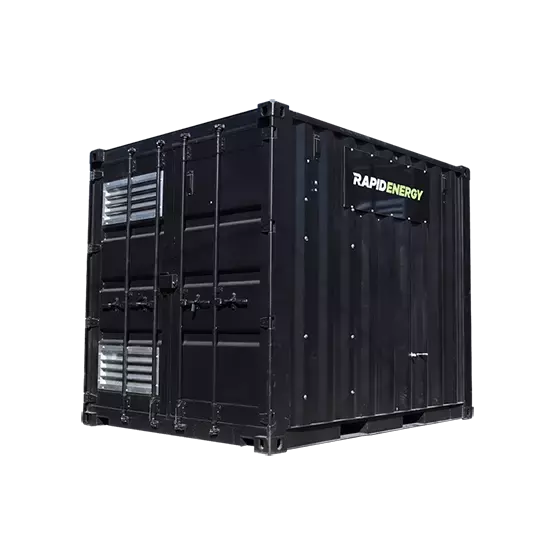
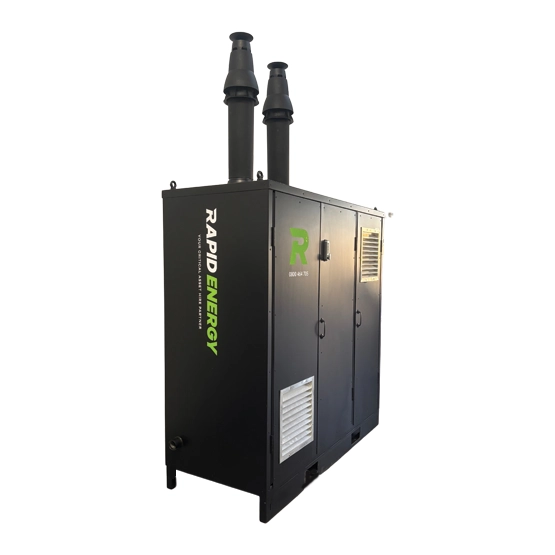
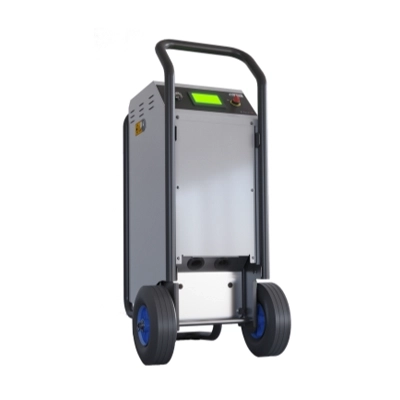
We provide:
- LTHW and MTHW systems, ranging from small commercial to large industrial capacities
- Full fuel flexibility, including: Gas, Gasoil, HVO (Hydrotreated Vegetable Oil), Electric
- Same-day delivery and installation – ensuring your heating system is back up and running without delay
- Fuel supply and management – ongoing deliveries and monitoring for uninterrupted operation
- Turnkey service – delivery, installation, commissioning, and removal
- 24/7 emergency response with nationwide coverage
- Experienced engineers ensuring rapid, compliant integration with your existing system
Trusted by Industry Leaders
Rapid Energy is trusted by major facilities and organisations across the UK, including The O2, The Shard, biodigester facilities, and government buildings, to name a few.

Read our case studies for more.
When boiler failure threatens productivity, safety, or reputation, Rapid Energy keeps you operational with temperature control that works when it matters most.
Contact us on 0800 464 7025 or email us at hire@rapidengy.co.uk.